How to choose the right one: everything about engine oil and lubricants for your vehicles
Every driver knows: the engine is the heart of any vehicle. And motor oil is its blood. In order for the heart to work for a long time and without problems, it needs to be looked after. If parts run dry, they quickly break. Engine repairs are very expensive. It is much cheaper and easier to change fluids on time.
In this article we will tell you how to choose the right fluids for passenger cars and heavy vehicles. We will speak in simple language. You'll learn what to look for when choosing and why good materials save you money.
Why is proper engine care so important?
There are many metal parts inside the motor. They constantly rub against each other at great speed. This generates a lot of heat. If there is no protection, the metal will begin to melt and wear away.
A good liquid solves several problems at once:
- Wear protection. It creates a thin film between the parts. Metal does not scratch metal.
- Cooling. The liquid takes away excess heat and prevents the engine from boiling.
- Cleaning. It washes away soot, dirt and small metal shavings. All this goes into the filter.
- Rust protection. Special additives prevent moisture from spoiling the metal.
High-quality motor oil for cars
We use a passenger car every day. We go to work, get stuck in traffic jams, take our family to the country. The motor operates in different modes. Either we drive slowly, or we press hard on the gas. Therefore, the engine oil for your car must be reliable and versatile.
Today there are three main types of such liquids on the market:
- Mineral. The simplest thing. It is made from oil. It is thick and suitable for older cars. The main disadvantage is that it needs to be changed frequently. In winter it can freeze very much.
- Synthetic. This is a high technology product. It is made in laboratories. It does not freeze in cold weather and does not become like water in hot weather. This is the best choice for modern cars. It lasts a long time and perfectly cleans the engine from dirt.
- Semi-synthetic. This is the golden mean. A mixture of mineral water and synthetics. It is cheaper than synthetic, but works better than mineral. An excellent option for used cars.
To ensure that your car's engine oil performs well, you need to look at the tolerances. Approval is permission from the factory that made your car. If the can has your brand approval, then the liquid is exactly right.
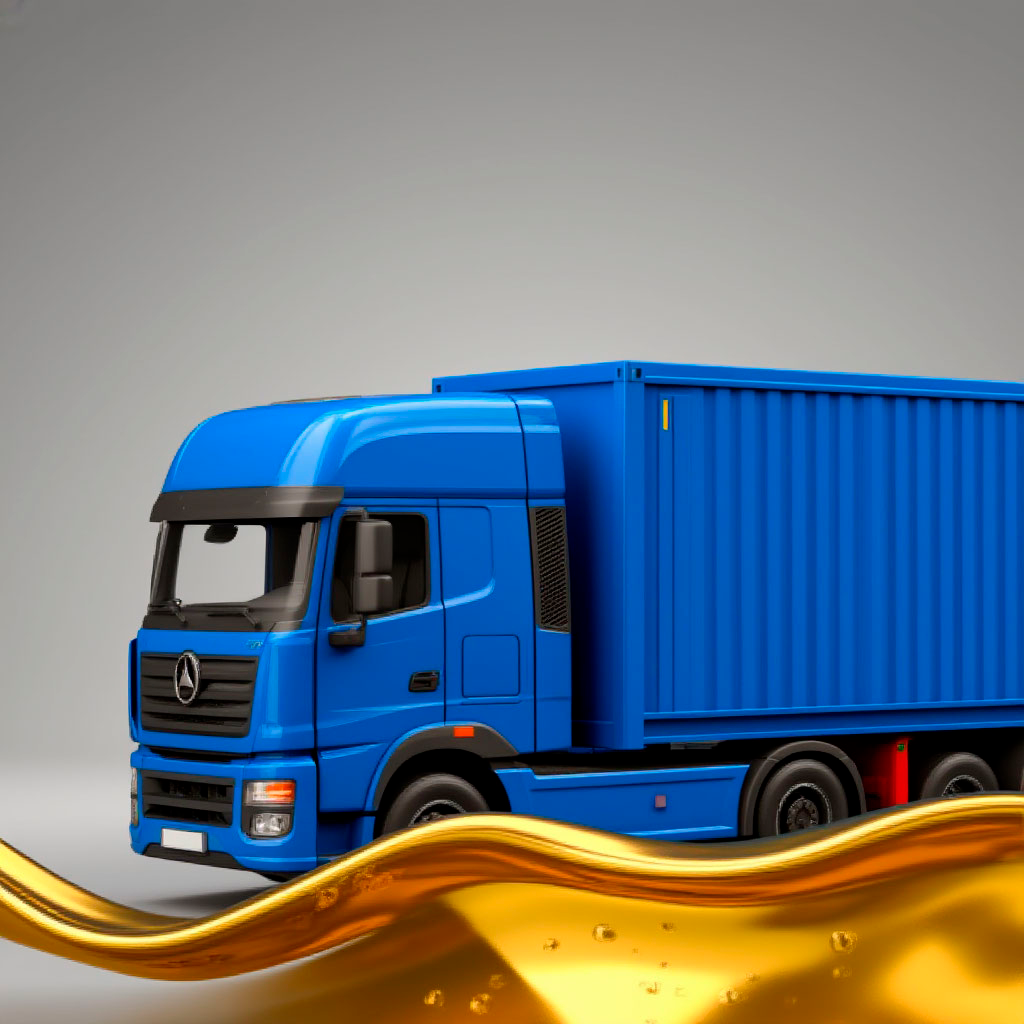
Reliable motor oil for special equipment
Tractors, excavators, bulldozers, trucks - this is a completely different world. These cars don't go fast. But they pull huge loads. They dig and work in the dust for days on end. The load on the engine here is simply colossal.
Therefore, motor oil for special equipment is different from what is poured into passenger cars. It has a different composition.
Here are the main features of fluids for heavy machinery:
- More additives. Severe conditions produce more soot. Therefore, it contains a lot of detergents.
- Resistance to pressure. The film on the parts must withstand enormous weight and not tear.
- Protection against bad diesel fuel. Special equipment often runs on diesel fuel, which can contain a lot of sulfur. Special fluids can cope with this and prevent the engine from oxidizing.
If you pour simple liquid from a car into the tractor, the engine will quickly fail. Therefore, motor oil for special equipment must be selected very strictly, according to the instructions for your equipment.
How is the price of motor oil determined?
Many drivers are concerned about the cost issue. There are beautiful canisters in stores. On some the price tag is small, on others it is very large. What determines the price of motor oil?
Let's look at the main reasons:
- Brand. Well-known global companies spend a lot of money on advertising and testing. Their goods are always more expensive. You pay for a name and a guarantee of quality.
- Base. As we have already said, synthetics are the most expensive. Its production is very complex. Mineral water is the cheapest.
- Additives. These are special chemical additives. They make the liquid unique. The more complex the additive package, the higher the price of motor oil.
- Canister volume. Buying oil in 200 liter barrels is much more profitable than in small 1 liter cans. If you have a fleet of cars, always take a large volume.
Don't chase the lowest price. A product that is too cheap may turn out to be a fake. Engine repair will eat up all your savings tenfold.
Why are other lubricants needed?
In a car and equipment, it’s not just the motor that spins. There is a gearbox, bearings, door hinges, cables, locks. All these parts also rub against each other. They need help too.
If you decide to buy lubricant for your car, you will extend the life of many components. Lubricants are different:
- Silicone. Excellent for rubber door seals. In winter, the doors will not freeze.
- Copper. They are applied to parts that get very hot. For example, on wheel bolts or brake parts. They prevent the bolts from sticking.
- Lithium. A universal item. They are used to coat bearings and joints. They repel water well.
And if you have a tractor or loader, you just need to buy lubricant for the equipment. Heavy machines have a lot of open components. Buckets, booms, tracks - all this works in mud and sand. Sand works like sandpaper.
If you buy lubricant for equipment in time (for example, graphite or special waterproof) and spray the components, the metal will not wear off. This saves a lot of money on replacing pins and bushings.
Where and how to buy motor oil safely?
There are a lot of fakes on the market today. Fraudsters take the cheapest raw materials, pour them into beautiful canisters and sell them under the guise of well-known brands.If you fill with such liquid, the engine may jam after a couple of thousand kilometers.
Therefore, before you buy motor oil, remember these simple rules:
- Choose trusted stores. Do not buy liquids from markets or roadsides. Go to large auto stores or official dealers. They have quality certificates.
- Look at the canister. The original plastic is smooth, without defects. The label is glued evenly, the text is legible. Many brands make security holograms or codes. Using the code, you can check the product on the manufacturer’s website.
- Check the lid. It should be tightly closed. It should have a protective ring on it. If it’s torn off, it’s a fake or the product has already been opened.
- Look at the bottling date. Liquids also have an expiration date. Usually this is 5 years in a closed container. The date on the canister must match the date on the label.
If you are looking for where to buy motor oil for a large fleet, it is best to work directly with distributors. This way you will get the best price and 100% quality guarantee. Plus they will help you choose the ideal option for each car.
Conclusion
Taking care of your vehicle is not just about a beautiful body and a clean interior. The main thing is the health of the units. Properly selected fluids extend the life of the engine several times. It doesn’t matter whether you have a passenger car or a heavy bulldozer.
Watch the tolerances, do not skimp on quality and buy goods only from reliable places. Change fluids and syringe knots regularly. Then your car will serve you faithfully for many years, without requiring expensive repairs!
FAQ block: Frequently asked questions from drivers
Question 1: How often should the engine oil be changed?
Answer: For passenger cars, we recommend replacing them every 7,000 - 10,000 kilometers. If you only drive around the city and often get stuck in traffic jams, it is better to change it every 7,000 kilometers. The engine runs in a traffic jam, but the mileage does not increase. For special equipment, the timing is different; they are calculated in engine hours (usually every 250-500 engine hours). See the instructions for your machine.
Question 2: Is it possible to mix liquids of different brands?
Answer: Doing this is highly undesirable. Each manufacturer has its own unique chemical composition and additives. If they mix, a reaction may occur. The liquid may foam or precipitate. The engine will become very bad. You can only mix in an emergency situation (for example, the level has dropped on the road) in order to get to the service station. After this, you need to completely drain the mixture and fill in new materials.
Question 3: What do the numbers on the can mean, for example 5W-30?
Answer: This is a viscosity grade, it shows how the oil behaves at different temperatures. The letter "W" (Winter) means winter. The first number (for example, 5) indicates in what frost the liquid will not freeze and will allow you to start the engine. The second number (30) shows the density at the operating temperature of a hot engine (in summer).The older your engine is, the thicker the fluid (the second number is larger) is often recommended to be filled in..